Understanding Breakfast Composition
Published: February 2026 | Educational Content
Introduction
The composition of breakfast varies considerably across cultures, geographic regions, and individual preferences. This article provides an educational overview of the various components that may constitute morning meals, examining nutritional categories and food types without prescribing specific choices or combinations.
Macronutrient Categories
Foods consumed at breakfast typically contain combinations of three primary macronutrient categories. Understanding these categories provides context for discussing meal composition from an educational perspective.
Carbohydrates
Carbohydrates represent one of the three macronutrient categories and are found in a wide variety of breakfast foods. Common sources include grains, cereals, bread products, fruits, and certain vegetables. Carbohydrates exist in different forms, including simple sugars and complex starches, with varying rates of digestion and absorption.
Whole grain sources contain the entire grain kernel, including the bran, germ, and endosperm. Refined grain products have had some components removed during processing. Both types appear in various breakfast contexts depending on cultural practices, availability, and personal preferences.
Proteins
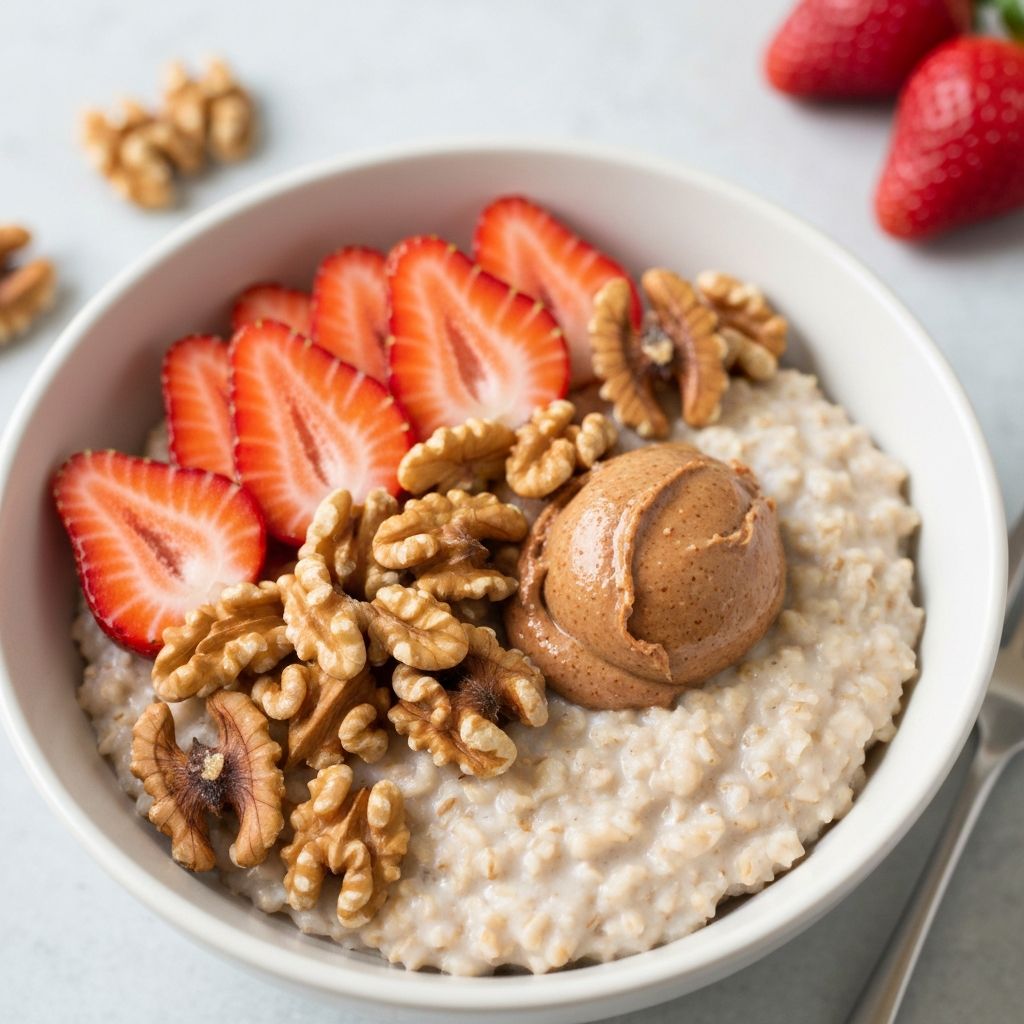
Protein sources at breakfast can be derived from animal or plant origins. Common animal-based sources include eggs, dairy products, and various meat products. Plant-based protein sources include legumes, nuts, seeds, and certain grain products.
Different protein sources provide varying amino acid profiles and are accompanied by different combinations of other nutrients. The choice of protein sources at breakfast reflects dietary patterns, cultural traditions, food availability, and individual preferences rather than universal requirements.
Fats
Dietary fats appear in breakfast through various sources including nuts, seeds, oils, dairy products, avocados, and foods prepared with added fats. Fats serve multiple functions including energy provision, satiety, and facilitating absorption of fat-soluble vitamins.
Fats occur in different forms including saturated, monounsaturated, and polyunsaturated varieties, each with distinct chemical structures. The types and amounts of fats consumed at breakfast vary widely across different dietary patterns and food preparation methods.
Micronutrients and Other Components
Beyond macronutrients, breakfast foods may provide various vitamins, minerals, and other compounds that play roles in human physiology. The specific micronutrient content of any breakfast depends on food choices, preparation methods, and portion sizes.
Vitamins and Minerals
Different breakfast foods contain varying amounts of vitamins and minerals. Fruits and vegetables contribute various vitamins and minerals, whole grains provide B vitamins and minerals, and dairy products contain calcium and vitamin D among other nutrients. Fortified foods may have nutrients added during processing.
Dietary Fiber
Dietary fiber is found in plant foods including whole grains, fruits, vegetables, nuts, and seeds. Fiber content varies significantly among different breakfast options. Whole food sources generally contain more fiber than highly processed alternatives.
Cultural and Regional Variations
Breakfast composition varies dramatically across different cultures and geographic regions. What constitutes a typical breakfast in one context may be entirely different elsewhere. These variations reflect local food availability, cultural traditions, climate, agricultural practices, and historical patterns.
Some cultures emphasize grain-based foods at breakfast, others include substantial protein sources, and still others feature foods not typically categorized as breakfast items in other regions. No single pattern represents a universal standard for breakfast composition.
Individual Variation and Preferences
Individual breakfast choices reflect numerous factors including personal taste preferences, time availability, cooking skills, household composition, economic considerations, health status, and lifestyle factors. The same person may consume different types of breakfasts on different days or in different circumstances.
Some individuals prefer elaborate morning meals, while others opt for simple options. Some eat similar breakfasts regularly, while others vary their choices frequently. These patterns reflect personal circumstances and preferences rather than adherence to specific rules or recommendations.
Educational Context and Limitations
This article presents general information about breakfast composition for educational purposes. It does not constitute nutritional advice, meal planning, or personalized recommendations. Individual nutritional needs vary based on numerous factors including age, activity level, health status, and many other variables.
The information provided describes various approaches and components observed in different breakfast patterns but does not suggest that any particular composition is universally optimal or necessary. Decisions about food choices are individual matters that may benefit from consultation with qualified nutrition professionals when specific guidance is needed.
Practical Considerations
The practical aspects of breakfast composition include factors such as food availability, storage capabilities, preparation time, cooking equipment, and budget considerations. These practical factors often influence breakfast composition as much as or more than nutritional considerations.
Prepared foods, convenience items, and partially processed ingredients serve different roles in various household contexts. The balance between convenience and preparation complexity varies based on individual circumstances and priorities.
Conclusion
Breakfast composition encompasses a wide spectrum of possibilities, influenced by cultural traditions, personal preferences, practical considerations, and numerous other factors. This diversity reflects the adaptability of human dietary patterns to different circumstances and contexts.
Understanding the basic categories of nutrients and food types provides educational context for considering breakfast options without implying that specific compositions are required or universally applicable. Individual breakfast patterns develop based on personal circumstances, preferences, and contexts rather than adherence to standardized formulas.